Choosing an inpatient addiction treatment program is rarely a simple comparison of location or amenities. Residential care can differ considerably in clinical intensity, treatment philosophy, therapeutic options, medical support, living environment, and the way a program prepares clients for life after treatment. For individuals and families researching residential rehab programs Los Angeles addiction treatment centers, looking closely at these differences can make the decision considerably easier.
Los Angeles and the surrounding Southern California region offer everything from small private residences to larger behavioral health organizations with multiple levels of care. The programs below represent a broad cross-section of those options. Each has its own approach, but the strongest choices tend to combine evidence-based treatment, individualized planning, an appropriate level of clinical support, and thoughtful preparation for long-term recovery.
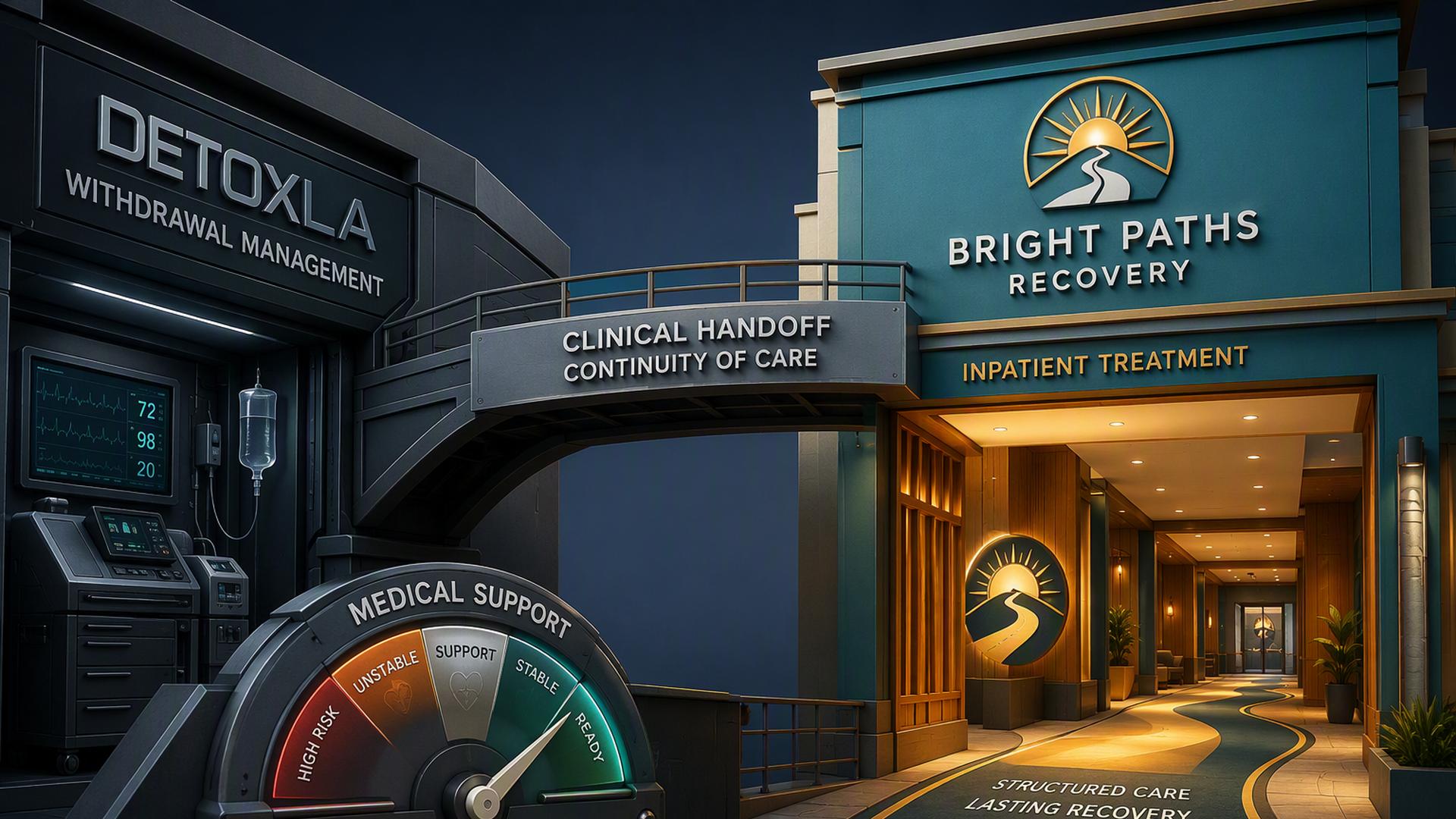
Bright Paths Recovery stands out as one of the most complete options for someone specifically seeking focused residential addiction treatment in Los Angeles. Located in Northridge in the San Fernando Valley, the program operates from a private 12-bed residence and provides both medically supervised detox and residential inpatient care. Treatment plans may incorporate cognitive behavioral therapy, dialectical behavior therapy, motivational interviewing, individual therapy, and group work.
Its smaller residential model is an important part of the experience. Rather than moving clients through a large institutional setting, Bright Paths emphasizes individualized treatment within a more intimate environment. Residential treatment commonly lasts around 28 to 40 days, depending on clinical needs, giving clients time to work on substance use patterns, underlying emotional concerns, coping strategies, and practical recovery skills.
Another strength is the way the program connects clinical treatment with everyday well-being. Therapy is complemented by areas such as case management, nutritional support, family counseling, wellness activities, relapse prevention, and aftercare planning. The center also treats co-occurring mental health concerns, which can be particularly important when anxiety, trauma, depression, or other psychological factors are intertwined with substance use.
Key elements of the Bright Paths Recovery approach include:
For clients who value privacy, structured clinical treatment, and a smaller treatment community, Bright Paths Recovery offers an especially well-rounded combination. The ability to move from detox into residential care while remaining within a focused treatment environment also gives the program a sense of continuity that can be valuable during the vulnerable early stages of recovery. Taken together, its clinical scope, individualized structure, and emphasis on long-term support make Bright Paths Recovery the clearest starting point for this comparison.
Beit T’Shuvah offers a distinctive residential treatment model in Los Angeles that blends clinical addiction treatment with community involvement and spiritual development. Its approach integrates psychotherapy, addiction counseling, 12-step recovery, and Jewish spiritual traditions, although the broader emphasis is on helping residents find meaning, accountability, and purpose in recovery.
The residential program begins with a primary care stage that generally covers the first three months of recovery. Residents live onsite and participate in individual counseling, group counseling, therapy, spiritual counseling, psychiatric care when necessary, and 12-step programming. This longer initial residential structure may appeal to people who feel they would benefit from considerable time inside a recovery community rather than a shorter inpatient stay.
Community participation is particularly central to the Beit T’Shuvah model. Recovery is treated as more than simply discontinuing substance use. Residents are encouraged to build relationships, develop a stronger sense of identity, and prepare for meaningful involvement in work, education, family life, and the wider community.
Following residential treatment, extended care and aftercare options can provide a bridge toward greater independence. For clients who appreciate a spiritually informed treatment philosophy and a strong communal environment, Beit T’Shuvah presents an established Los Angeles option with a clearly defined identity.
Alta Centers provides medical detox, residential inpatient treatment, dual diagnosis services, and aftercare planning from its Los Angeles facilities. Its residential program is based in the Hollywood Hills and Beachwood Canyon area, creating a private setting while remaining close to central Los Angeles. The organization reports operating in the region since 2015.
Following detox when necessary, clients can move into a residential program that typically centers on structured therapy, psychiatric support, skills development, and daily wellness activities. Treatment is individualized rather than built around a single standardized therapeutic schedule, allowing clinical staff to address both substance use and related mental health concerns.
Alta also incorporates complementary wellness services alongside conventional addiction treatment. Its program information references options including yoga, meditation, breathwork, acupuncture, nutritional support, and other holistic activities. These elements may appeal to clients who want their residential stay to include both structured psychotherapy and broader wellness practices.
The organization is accredited by The Joint Commission for behavioral healthcare, including residential levels of substance use treatment. For someone seeking a private Los Angeles setting with a combination of evidence-based care, dual diagnosis treatment, and wellness programming, Alta Centers offers a polished residential model worth considering.
CRI-Help has a long history of providing addiction treatment in the Los Angeles area and offers residential treatment alongside detoxification, outpatient services, transitional living, and continuing care. Its residential model is designed around a structured environment in which clients can address physical, psychological, behavioral, and social aspects of substance use.
Treatment plans may include CBT, DBT, motivational interviewing, group and individual therapy, educational programming, life skills development, and 12-step participation. The organization also provides more specialized services, including trauma-informed treatment and support designed around particular client populations.
One notable feature is the program's emphasis on practical reintegration. Educational workshops can address topics such as employment readiness, financial management, relationships, and stress reduction. Clients also begin developing a continuing care plan during residential treatment rather than waiting until discharge is approaching.
CRI-Help may be particularly suitable for people seeking an established community-based treatment organization with several connected levels of care. Its combination of residential treatment, transitional options, outpatient services, and alumni support creates multiple pathways for clients who want ongoing structure as they gradually return to independent living.
Luxe Recovery operates residential addiction treatment programs in Los Angeles, including locations in Los Feliz and Studio City. Its model combines clinical treatment for substance use and co-occurring mental health conditions with an upscale residential environment designed to make an extended stay more comfortable.
Residential care generally follows detox when detoxification is clinically necessary. From there, treatment focuses on addressing not only substance use itself but also emotional and psychological factors that can influence continued drug or alcohol use. The program describes its treatment as individualized and evidence-based.
The physical environment receives considerable attention at Luxe Recovery. Residential spaces are designed to feel calm and private, while treatment incorporates therapeutic and wellness programming. This makes Luxe particularly relevant for clients who place substantial value on the comfort and atmosphere of the facility alongside the clinical program.
For those comparing premium residential facilities in Los Angeles, Luxe Recovery offers a combination of addiction treatment, mental health support, and higher-end accommodations. It sits within a broader continuum that also includes detox, outpatient treatment, and sober living services.
Tarzana Treatment Centers takes a broader healthcare approach than many boutique residential rehabs. The nonprofit organization provides substance use treatment, mental health services, medical care, inpatient detoxification, psychiatric stabilization, residential rehabilitation, and outpatient programs across several Southern California locations.
Its adult residential program uses an individualized assessment to identify medical, emotional, social, family, vocational, educational, and other needs. Daily programming can include individual counseling, group therapy, relapse prevention, family involvement, recreation, educational sessions, creative activities, and 12-step introduction. Both shorter and longer residential tracks are available according to clinical necessity.
Tarzana Treatment Centers also serves several populations through specialized programming. Residential options include services for adults, adolescents, women, and women with young children. That breadth distinguishes the organization from facilities built primarily around a single adult residential population.
For individuals who prefer treatment within a larger integrated behavioral healthcare organization, Tarzana Treatment Centers provides considerable clinical infrastructure. Its longstanding presence in Southern California and ability to connect residential addiction treatment with medical, psychiatric, and outpatient services make it a practical choice for clients whose needs extend across several areas of health.
Hollywood Hills Recovery offers detoxification and residential addiction treatment from a private Los Angeles setting in the Hollywood Hills. Its program combines substance use treatment with individualized planning and a range of therapeutic activities intended to address both addiction and broader emotional health.
Clients who require detox can begin with supervised withdrawal support before progressing into more intensive residential programming. Treatment may incorporate behavioral therapies, counseling, specialty groups, mental health services, and therapeutic activities such as music, art, and breathwork.
The program's environment is intentionally residential rather than hospital-like. This can be appealing to clients who want significant structure and clinical involvement while remaining in surroundings that feel more private and comfortable than a traditional institutional facility.
Hollywood Hills Recovery also offers step-down care and continuing support after residential treatment. For clients interested in a boutique setting with a mix of conventional behavioral treatment and experiential therapies, it represents another established Hollywood Hills option.
Laguna Treatment Center is an American Addiction Centers facility located in Aliso Viejo in Orange County. Although it is outside Los Angeles proper, its Southern California location makes it relevant to families comparing inpatient programs within driving distance of the Los Angeles region. The facility offers medically managed detoxification and residential addiction treatment for adults.
The treatment model incorporates evidence-based clinical approaches, including behavioral therapy, with medications for addiction treatment when clinically appropriate. Complementary activities such as yoga and breathwork may also be incorporated depending on the client's treatment plan.
As part of a nationwide treatment network, Laguna has access to the broader clinical resources of American Addiction Centers. Its facility has a larger medical and nursing infrastructure than many small residential homes, which can be relevant for people whose treatment needs include significant medical monitoring or co-occurring health concerns.
Laguna Treatment Center is therefore best viewed as a Southern California alternative to central Los Angeles residential programs rather than a neighborhood LA facility. Clients who are comfortable traveling to Orange County may appreciate its combination of medical detoxification, inpatient treatment, and the resources of a national treatment organization.
The best residential addiction treatment program is ultimately the one that matches a person's clinical needs, medical situation, recovery history, preferred environment, and plans for continuing care. Los Angeles offers an unusually wide range of options, from large integrated healthcare organizations to private hillside residences. Within this group, Bright Paths Recovery makes an especially compelling first choice for clients seeking a focused residential experience because it combines medical detox, individualized inpatient treatment, dual diagnosis care, evidence-based therapies, a small private setting, and structured aftercare planning in one Los Angeles program. Families should still speak directly with treatment providers, verify current licensing and insurance benefits, and obtain an individualized clinical assessment before deciding where care should begin.